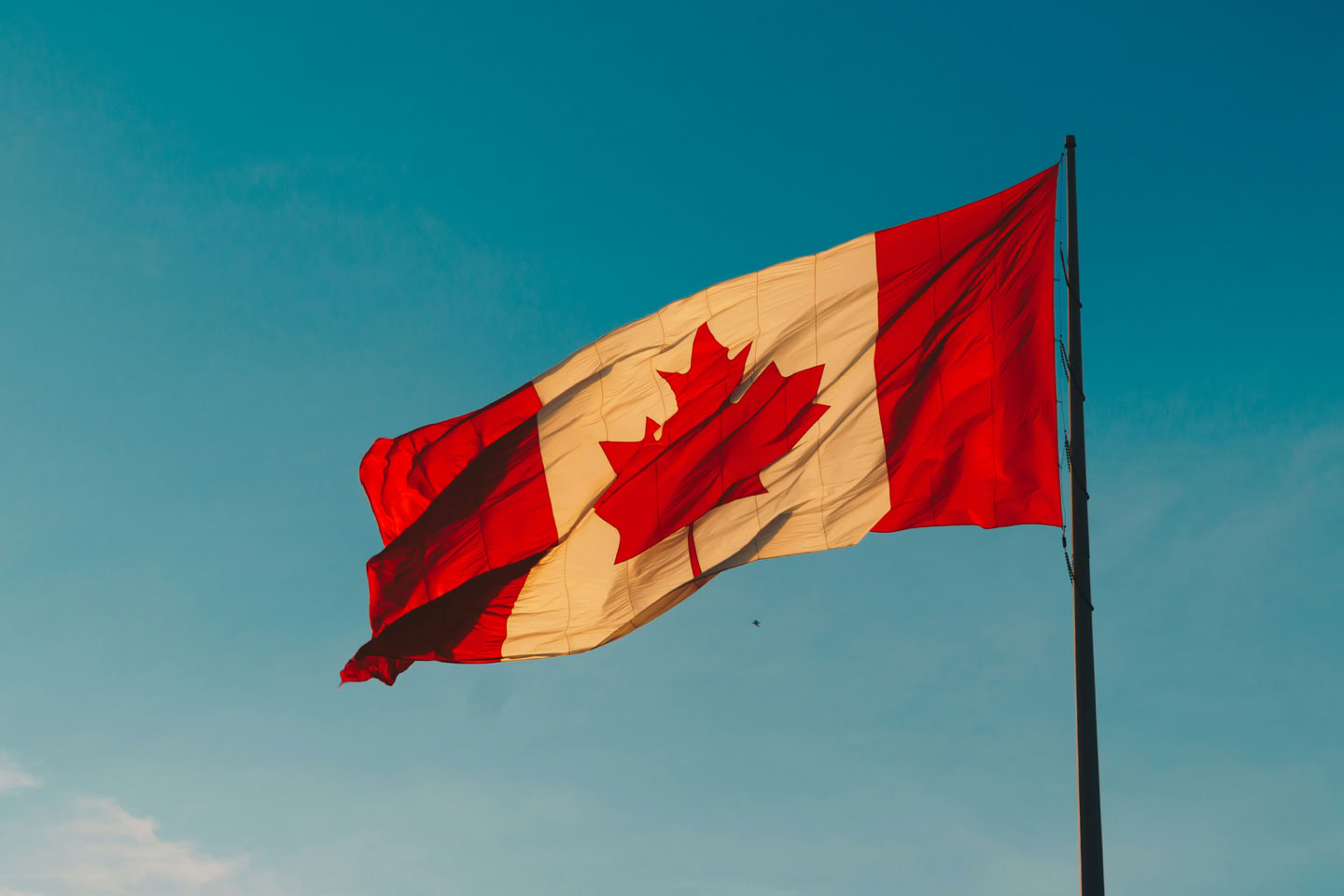
Canada stands at a crossroads that few citizens fully recognize. Behind the headlines, slogans, and carefully managed political messaging lies a deeper question: what does sovereignty actually mean in the modern age? Is it merely a flag, a border, and a national anthem — or does true sovereignty require control over laws, resources, institutions, culture, and the future direction of a nation itself?
For decades, Canadians have been told that integration, globalization, and centralized governance are inevitable signs of progress. Yet many are beginning to ask whether those same forces have quietly weakened the country’s economic independence, democratic accountability, and ability to make decisions in the interests of its own citizens. Concerns about housing, energy, debt, immigration, productivity, censorship, and foreign influence are no longer isolated frustrations. Together, they form a larger conversation about national identity and self-determination.
The substack post by Karla Treadway explores the growing tension between global systems and local sovereignty, and why more Canadians are questioning who truly benefits from the direction the country is taking. Whether you agree or disagree with the conclusions, the issues raised here deserve serious discussion — because a nation that stops asking hard questions risks surrendering far more than it realizes.